
OUR PROCESSES
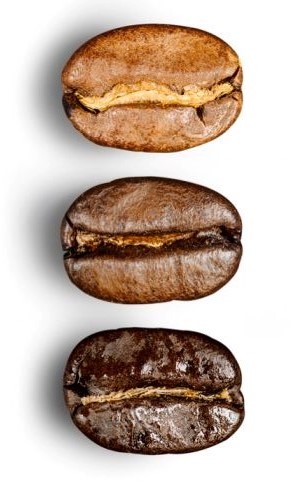
Types of Roast
The types of roasting with which we process our blackcoffee are described below, offering the consumer a wide variety of flavors, textures and aromas in the cup. Depending on the type of roast, there will be a different acidity and bitterness in the cup, as well as different aromas and flavors that guarantee a clean process to satisfy the tastes of the coffee drinker.
Light Roast
This type of roast is characterized by its pronounced acidity, a clean cup and predominant flavors of origin.
Medium Roast
With a medium roast there is a balance between acidity, sweetness and aromas.
Dark Roast
As the roast gets darker, a low acidity begins to appear, with chocolate notes and more texture in the coffee.
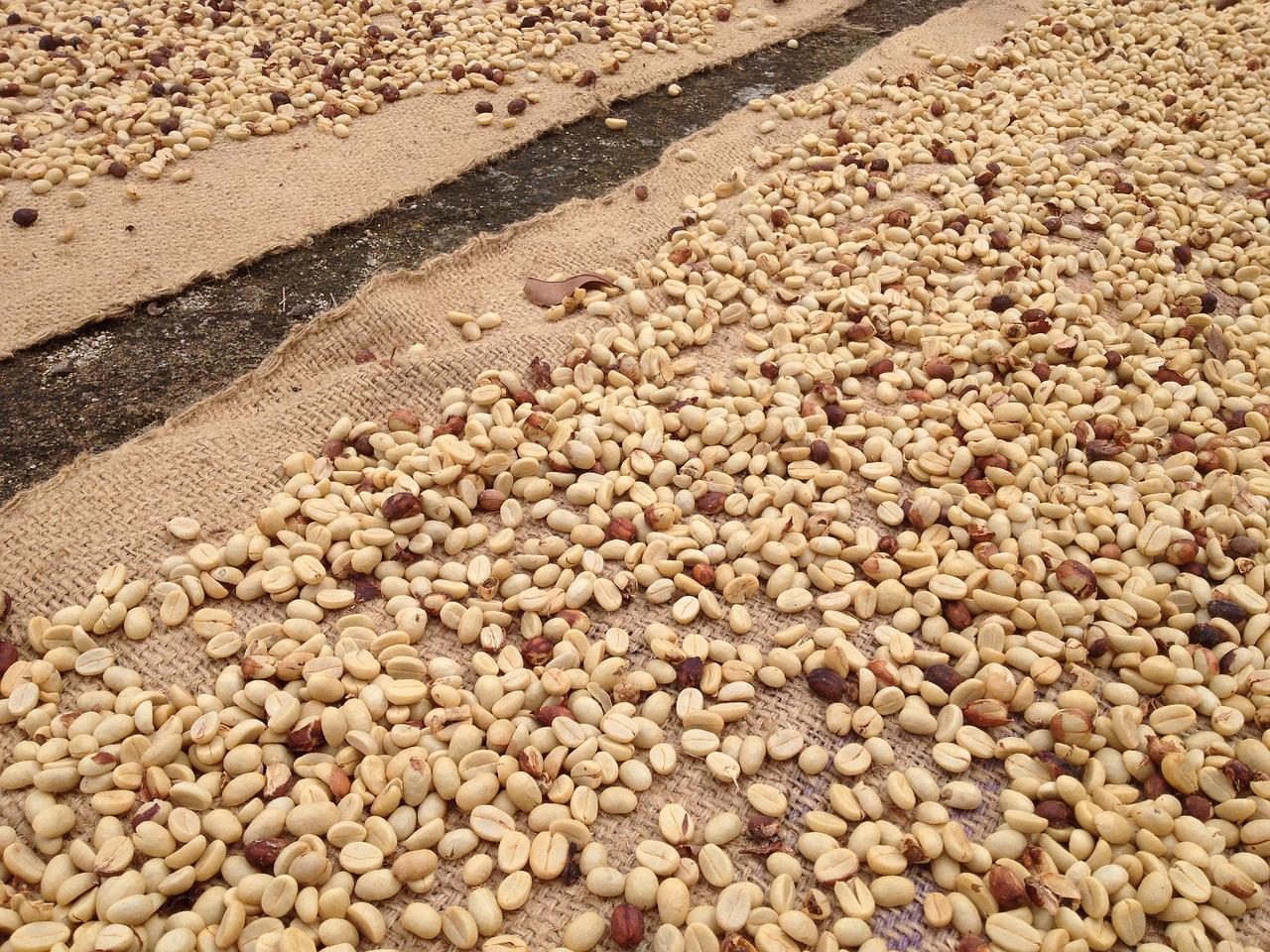
Types of Processes
On the other hand, we have the type of process prior to drying the coffee beans. This processing significantly affects the final cup profile, influencing everything from acidity and sweetness to body and clarity: natural process and washed process. Below we explain their differences.
Washed coffee
This method involves removing the skin from the cherries (known as pulping) before submerging them in a channel of water to break up and remove the mucilage. This can take up to 24 hours, which gives enough time for the tiny microorganisms in the beans to generate enzymes, which break down the sticky outer layer. After fermentation, the beans are washed and dried in the sun.
Natural coffee
Natural processing is a method that has been used for centuries. Also known as dry processing, which involves spreading harvested cherries over a large area to dry for several weeks with the fruit and skin intact. Natural coffees often have interesting and quirky flavor profiles, which showcase the innate flavors of the bean to a greater extent.

“A too pleasant aroma and acidity. It has all the potential to be an avant-garde brand.”
— Mario Guadamuz

“Excellent texture, body and flavor. It is notoriously a high quality coffee.”
— Tatiana Salas

“Delicious taste. Perfect for a family coffee afternoon.”
— Rita Delgado

“Excellent, clearly there is a great effort behind the product, super recommended.”
— Marianela Salas

“The coffee is of the highest quality. The flavor is impeccable, definitely the best decision to start the day.”
— Steven Ávila